
Patient support for changing memory needs
Alzheimer's Care
Consistent, non-medical support built around familiar routines, meaningful connection and the person your family knows, not just the changes Alzheimer’s may bring.
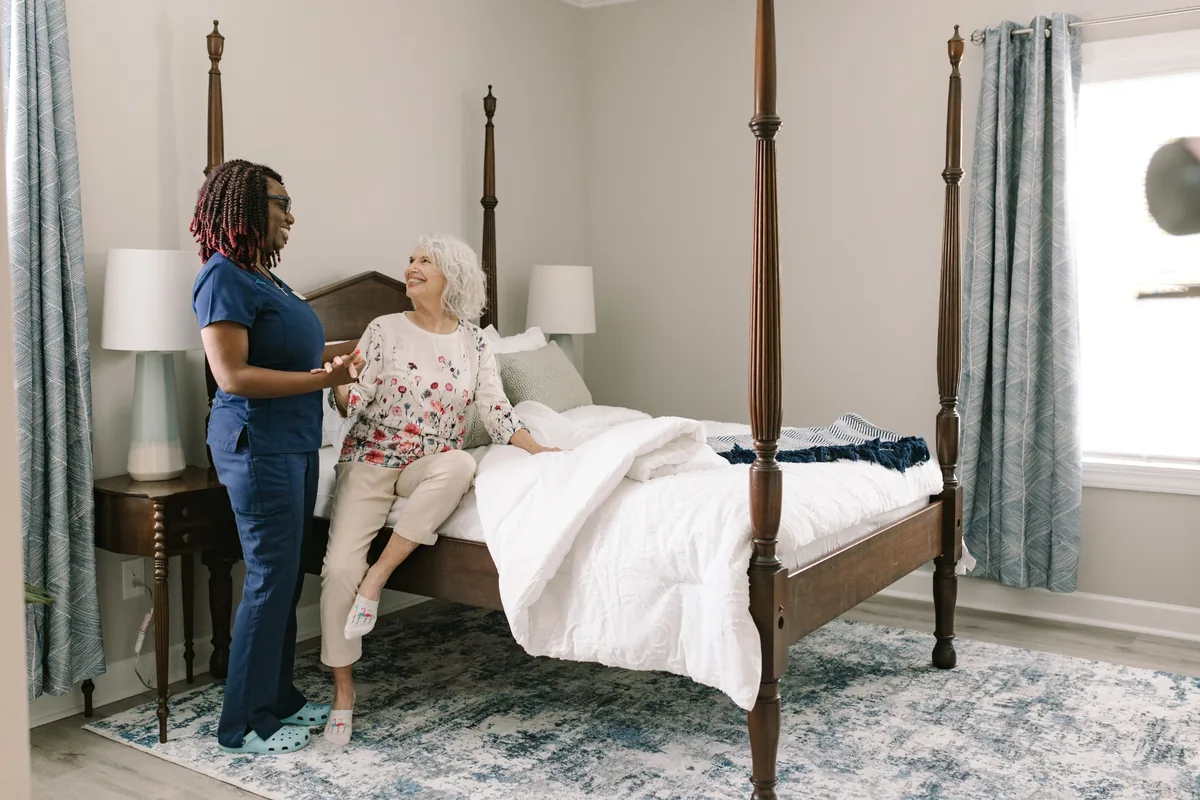
Alzheimer's home care in Lexington & Columbia, SC
Good Alzheimer’s care starts with knowing the person, not just the diagnosis.
Memory loss can change the rhythm of an entire household. A familiar morning routine may suddenly need more prompting. Meals can become inconsistent. A person who once moved confidently through the day may begin asking the same question repeatedly, forgetting what comes next or becoming uneasy when plans change.
DayBreak provides patient, non-medical Alzheimer’s home care that helps families create more consistency around those changing needs. Our caregivers can provide companionship, supervision, personal care support, meal assistance, reminders and meaningful engagement while helping your loved one remain in familiar surroundings.
Alzheimer’s affects every family differently, which is why care should not feel like a generic checklist. We take time to understand the routines, interests, personality and preferences that still matter to your loved one, then build support around the day they are actually living now.
What Alzheimer's care can include
Support that brings more structure to the day without making it feel clinical.
The amount of help can change as memory loss progresses. Some families begin with companionship and reminders. Others need more supervision, hands-on personal care and regular respite for the person who has become the primary family caregiver.

Familiar routines can become an anchor
Consistency can make the day feel easier to follow.
When memory becomes less reliable, familiar patterns can take on more importance. A regular breakfast, the same favorite chair, a walk at a familiar time or music someone has always loved can help create a sense of continuity even as other parts of the day become harder to remember.
DayBreak caregivers work within those existing habits whenever possible. The goal is not to force a rigid schedule. It is to make the day easier to recognize by keeping meaningful routines, preferences and activities present.
More consistency at home
A familiar caregiver and predictable routines can make everyday tasks feel less overwhelming for someone living with memory loss.
Support for independence
Caregivers can provide the amount of help needed while continuing to encourage the abilities and choices a person still has.
Relief for family caregivers
Professional support can give spouses and adult children time to work, rest, run errands or simply step out of the caregiver role for a while.
Meaningful engagement
Connection still matters, even when conversation changes.
Alzheimer’s can change how someone communicates, but it does not erase the need for companionship, respect or meaningful interaction. Activities do not have to be complicated to be worthwhile. Looking through photographs, listening to familiar music, folding towels, taking a walk, helping with a simple household task or talking about an old memory can all create moments of connection.
Rather than expecting someone to perform or remember on demand, DayBreak caregivers meet the person where they are that day. That approach keeps the focus on comfort, dignity and participation instead of correction.
Support as needs change
The care plan can change as Alzheimer’s changes.
In earlier stages, a family may mainly need companionship, transportation, meal support and reminders that help the person keep familiar routines. As Alzheimer’s progresses, repeated questions, difficulty sequencing tasks, changes in judgment, resistance to personal care, wandering risk or increased confusion later in the day can create a need for more supervision and hands-on help.
In later stages, families may need more consistent assistance with bathing, dressing, mobility, meals and day-to-day safety, along with dependable respite for the spouse or adult child providing most of the care. DayBreak can adjust the non-medical care plan as those needs change and coordinate Alzheimer’s support with personal care, companion care, respite care or hospital and facility sitting when appropriate.
Important: DayBreak provides non-medical home care. Alzheimer’s diagnosis, medication management, treatment decisions and skilled medical care remain the responsibility of the client’s physicians, nurses and other licensed healthcare professionals.
Local South Carolina care
Alzheimer’s support close to home.
DayBreak provides in-home Alzheimer’s care for families throughout the Midlands, including Lexington, Columbia, Chapin, Irmo, along with surrounding communities.
Because DayBreak is locally owned, families can talk with a nearby team that understands the communities we serve and can help adjust support as memory-care needs become more involved.
Frequently asked questions
Questions families ask about Alzheimer's home care
What does in-home Alzheimer's care include?
Non-medical Alzheimer’s care may include companionship, supervision, familiar routines, meal support, reminders, personal care assistance, meaningful activities and respite for family caregivers. The exact care plan depends on the person’s abilities and needs.
Can someone with Alzheimer's continue living at home?
Many people with Alzheimer’s remain at home for some or all stages of the disease with support from family, professional caregivers and healthcare providers. Whether home remains appropriate depends on the individual’s safety, medical needs, supervision requirements and family circumstances.
How is Alzheimer's care different from regular companion care?
Alzheimer’s care can include companionship, but it also places greater emphasis on consistent routines, supervision, patient redirection, support with changing personal-care needs and approaches that account for memory loss and confusion.
Can DayBreak help with bathing and dressing?
Yes, when those needs are appropriate for non-medical home care and included in the care plan. Personal care can be provided patiently and at a pace that respects the client’s comfort and preferences.
Can Alzheimer's care give family caregivers a break?
Yes. DayBreak can provide respite so a spouse, adult child or other family caregiver can work, rest, attend appointments or manage other responsibilities while a caregiver stays with their loved one.
Where does DayBreak provide Alzheimer's home care?
DayBreak serves families in Lexington, Columbia, Chapin, Irmo, Aiken and surrounding South Carolina communities. Contact our Lexington or Aiken office to discuss availability and the level of support your family needs.
Not sure what level of Alzheimer’s care is right yet?
Tell us what is changing at home. We’ll help you think through a practical level of support that respects your loved one and gives your family room to breathe.