
Steady support for memory loss at home
Dementia Care
Supportive, non-medical dementia care built around familiar routines, calm companionship and practical day-to-day help for families in Lexington, Columbia, Aiken and nearby South Carolina communities.
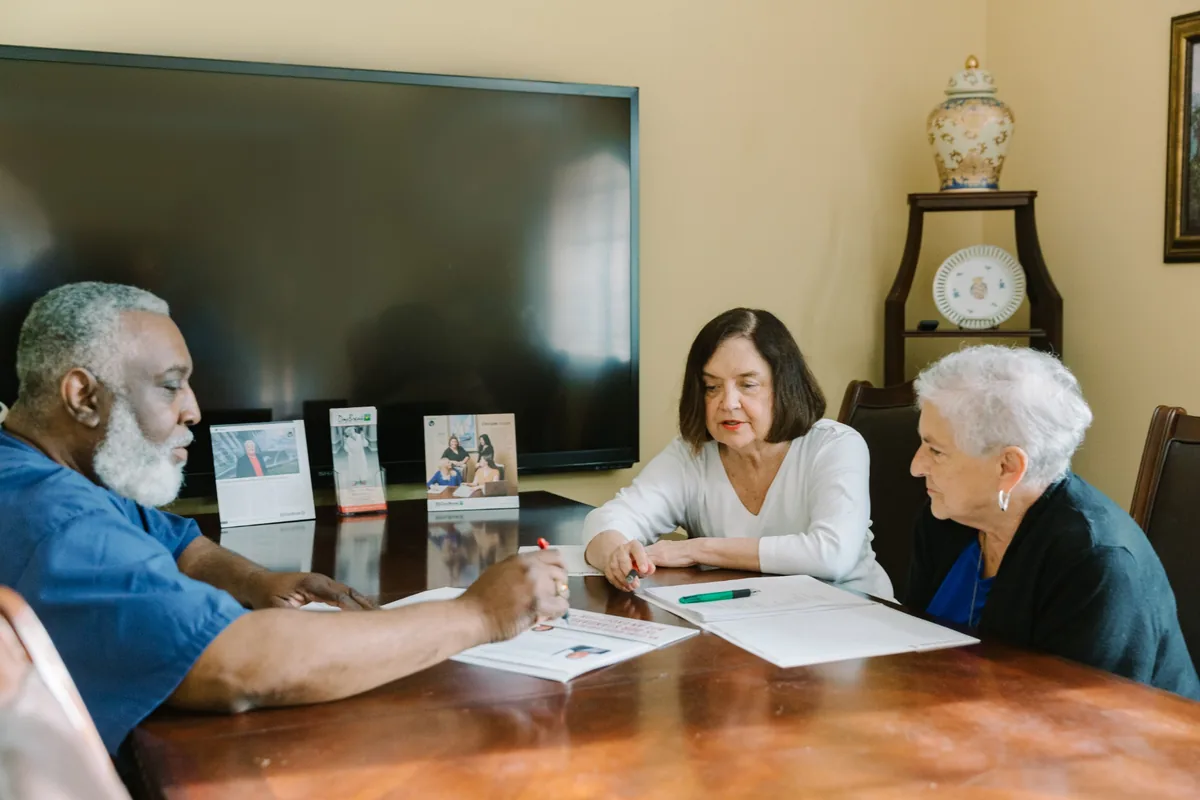
Dementia home care in Lexington, Columbia & Aiken, SC
Thoughtful dementia care can make home feel calmer, safer and more manageable.
Dementia changes more than memory. It can change the pace of the day, how tasks get done, how a person communicates and how much reassurance a family member needs from one hour to the next. For many households, even familiar routines can start to feel unpredictable. A meal that used to be simple may now need prompting. A normal afternoon may suddenly involve confusion, agitation or questions repeated again and again.
DayBreak provides non-medical dementia home care for families who want experienced, compassionate support without losing the familiarity of home. Our caregivers help bring steadiness to the day through companionship, supervision, routine support, meal help, personal care assistance when needed and respite for family caregivers who cannot do everything alone.
Because dementia affects every person differently, good care should never sound generic. We take time to learn what still feels familiar, what tends to be upsetting, what time of day is hardest and what kind of support helps the person feel most comfortable. That personalized approach allows us to build care around real life not just a diagnosis.
What dementia home care can include
Practical, person-centered help that supports the day without taking it over.
Families looking for dementia care at home are often trying to solve several problems at once: safety concerns, isolation, caregiver exhaustion, irregular eating, missed routines and growing difficulty with daily tasks. Our role is to step in with support that is respectful, flexible and centered on the person receiving care.
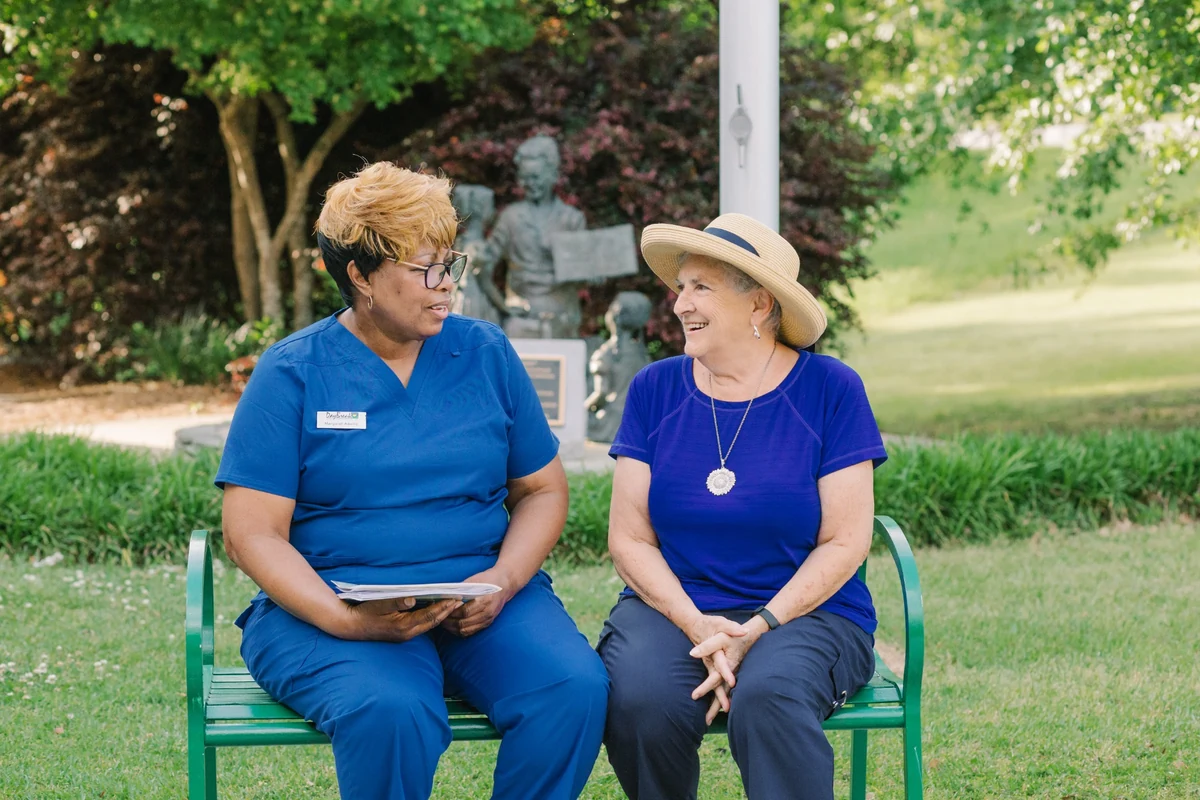
Support for the whole family
Dementia care works better when everyone understands the plan.
Dementia is an umbrella term for changes in memory, thinking and daily function caused by several different conditions. Alzheimer’s disease is the most common cause, but families may also be navigating vascular dementia, Lewy body dementia, frontotemporal dementia or a diagnosis that is still being clarified. The symptoms and pace of change can look different from one person to another.
DayBreak’s dementia care focuses on the everyday effects of cognitive change—routines, safety, communication, meals, personal care, supervision and caregiver relief—rather than treating every diagnosis as though it follows the same path. Families dealing specifically with Alzheimer’s disease can also visit our Alzheimer’s home care page for disease-specific guidance.
DayBreak works to support the routine your family is trying to maintain. That may mean following mealtime habits, keeping a familiar morning pattern, watching for signs of overstimulation or simply giving a family caregiver the confidence to step away for a few hours knowing someone calm and dependable is there.
More consistency at home
Familiar rhythms and a dependable caregiver can help reduce stress and make the day easier to follow.
Respect for independence
We support the abilities a person still has while stepping in with help where it is genuinely needed.
Relief for caregivers
Professional support can give family caregivers time to rest, work, run errands or simply breathe.
Familiar routines still matter
Even small routines can help someone with dementia feel more grounded.
For a person living with dementia, ordinary parts of the day can still provide comfort: a regular walk, a favorite seat, a familiar route through the house, a quiet conversation or time spent outside. These patterns can help make the day feel less overwhelming and more recognizable.
That is why our caregivers pay close attention to what still works. We look for the routines, surroundings and personal preferences that help someone feel calm and connected, then we build support around those anchors instead of pushing everything into a one-size-fits-all schedule.

Personalized memory support
Dementia care should adapt to the person, not the other way around.
Some clients mainly need companionship, gentle reminders and help keeping a routine. Others need more supervision, cueing, personal care or hands-on daily assistance. Families may also be coping with memory loss alongside mobility limitations, recovery from illness or caregiver burnout. The right care plan should be able to adjust as those needs change.
DayBreak can coordinate dementia support with personal care, companion care, respite care and hospital or facility sitting when appropriate. That flexibility helps families avoid starting over every time the care situation changes.
Meaningful engagement
Connection is still important, even when memory and communication change.
Dementia may affect short-term memory, language and problem-solving, but it does not remove a person’s need for companionship, reassurance and dignity. In many cases, meaningful engagement can be simple: conversation, familiar music, photo albums, a walk outdoors, folding towels, helping with a small household task or sitting together during a difficult part of the day.
Our caregivers focus on what brings comfort and participation instead of expecting someone to perform or remember on demand. That helps care feel more human, more respectful and more responsive to the person in front of us.
Important: DayBreak provides non-medical dementia home care. Diagnosis, treatment, medication management and skilled medical services remain the responsibility of the client’s physicians, nurses and other licensed healthcare professionals.
Local South Carolina care
Dementia home care from a local team that understands your community.
DayBreak provides dementia home care for families across the Midlands and Aiken area, including Lexington, Columbia, Chapin, Irmo and surrounding South Carolina communities.
Because we are locally owned, families have the benefit of working with a nearby team that can respond personally, coordinate support as needs change and help create a care plan that fits life at home.
Frequently asked questions
Questions families ask about dementia care at home
What does in-home dementia care include?
In-home dementia care may include companionship, supervision, support with routines, meal help, personal care assistance, reminders, meaningful activities and respite for family caregivers. The exact care plan depends on the person’s needs and the level of support the family wants in place.
What is the difference between dementia care and regular companion care?
Dementia care can include companionship, but it typically places more emphasis on safety, consistent routines, patient redirection, supervision and support for changing cognitive needs. It is designed for someone whose memory loss is affecting daily life.
Can DayBreak help someone with dementia stay at home longer?
Many families use non-medical dementia care to make living at home more manageable. Whether someone can remain at home depends on their safety, medical needs, supervision level and family situation, but supportive in-home care can often make home more workable for a longer period of time.
Can dementia care include help with bathing and dressing?
Yes, when those services are appropriate for non-medical home care and included in the care plan. Caregivers can provide hands-on support with bathing, grooming, dressing and other daily activities while respecting comfort and dignity.
Can DayBreak give family caregivers a break?
Yes. Respite is often one of the most important parts of dementia care. A DayBreak caregiver can stay with your loved one so you can go to work, rest, attend appointments, run errands or simply take time to recharge.
Where does DayBreak provide dementia home care?
DayBreak serves families in Lexington, Columbia, Chapin, Irmo, Aiken and surrounding South Carolina communities. Contact our Lexington or Aiken office to talk about availability and the level of dementia support your family needs.
Wondering what type of dementia support would help most?
Tell us what is becoming harder at home. We’ll help you think through a care plan that supports your loved one and gives your family more peace of mind.